
Introduction
In this long and in-depth conversation, Aline Nyirahumure and Rebecca Thys take us into their world. Drawing on their own backgrounds and expertise, they show how connection, solidarity and inclusion are given meaning every day. Throughout the conversation, their perspectives alternate — sometimes complementing one another, sometimes offering critical nuances, but always with respect and curiosity.
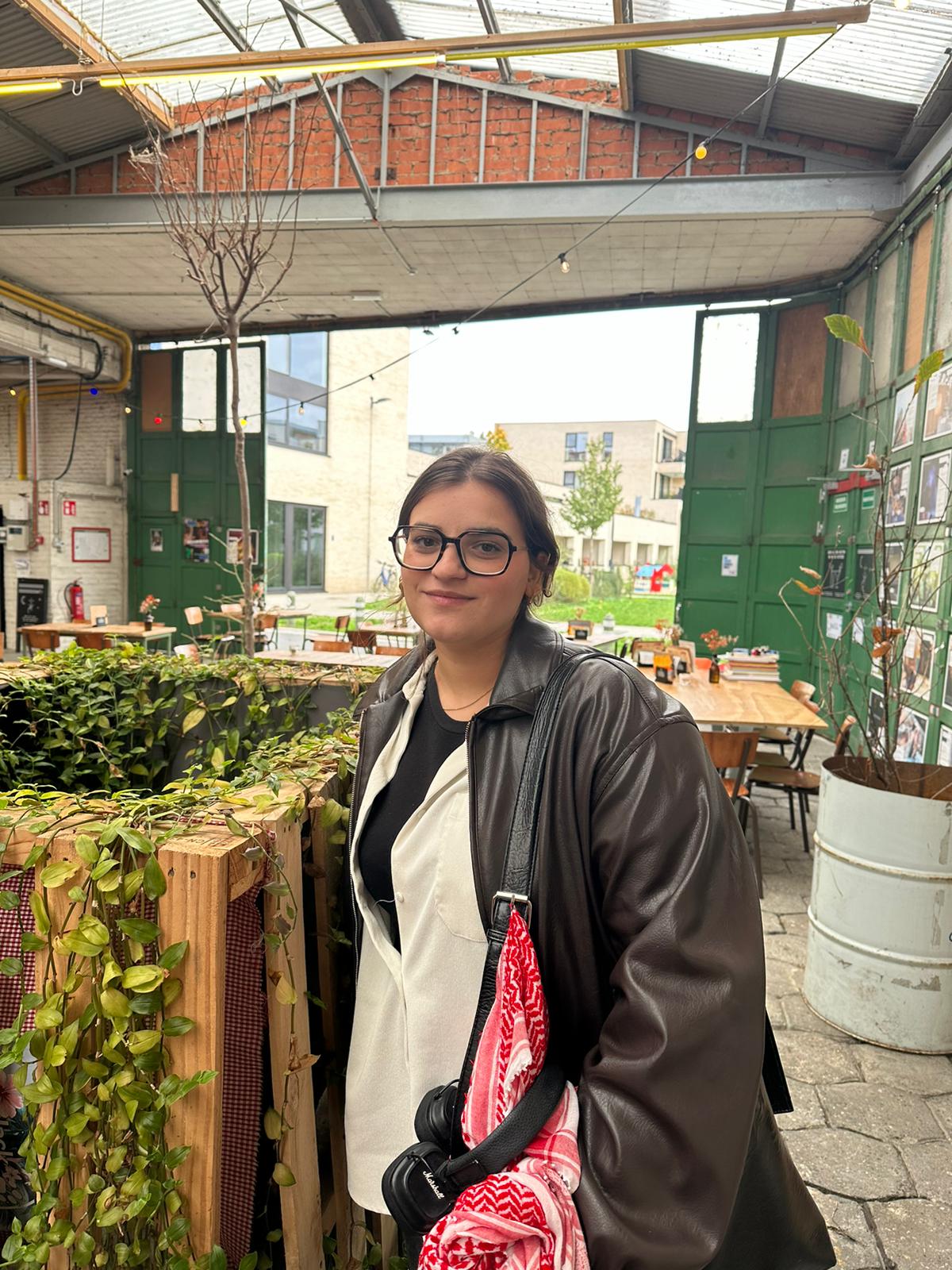
Aline and Rebecca begin by introducing themselves and immediately identifying the motivations they share. Both are deeply rooted in experience, while approaching social challenges from different professional roles.
Aline: “I recently became General Director of the Internationaal Comité. Before that, I spent eight years as Director of Kuumba vzw. Building bridges between my Flemish presence and my African roots is a source of inspiration and strength for me.”
Rebecca: “My background in sociology and my research into poverty and social mobility taught me how important it is to make people’s stories visible. Giving a voice to people who often remain unheard — that is what motivates me.”

The Power of Migrant Organisations
From the outset, Aline Nyirahumure and Rebecca Thys emphasise the unique role of migrant organisations as drivers of connection within society. For them, this is part of everyday practice: creating places where people can share their stories without constantly having to explain themselves, where difference is welcomed, and where organisations can respond directly to people’s needs.
Aline explains how her work at Kuumba vzw and now at the Internationaal Comité sharpened her understanding of inclusion. “People come in and say: ‘Here, people understand me. I don’t have to keep explaining myself.’” It is that sense of recognition, she says, that makes the difference. “We are not simply service providers; we are allies.”
Rebecca recognises the same dynamic from her practice-based research: “What I see is that informal organisations often provide the first safe space — accessible, without excessive paperwork, and tailored to people’s everyday realities.”
Together, Aline and Rebecca see how these organisations lower barriers in ways that traditional structures do not always manage to do. “We are not here for just one group, but for everyone. Bringing people together, exchanging experiences and building networks together — that is our strength.”
In this context, a “dual identity” is not seen as a problem, but as an asset: people can remain fully themselves while also being part of society.

“We are not here for just one group, but for everyone. Bringing people together, exchanging experiences and building networks together — that is our strength.”
Beyond the Barriers
Informal initiatives often address what formal structures leave behind. Aline and Rebecca take us into their everyday practice, which is filled with stories of people receiving support even when they did not arrive with a clearly defined request for help.
“There is always room for spontaneous conversation, for things that fall outside the system,” Aline explains. Projects around affordable holidays, administrative support and local information points do not emerge only around meeting tables, but in community centres and markets where people actually meet.
Rebecca emphasises the sense of safety this model creates. “When you do not have to prove why you need support, trust can develop. That is particularly important for undocumented people, or in situations where shame creates additional barriers.”
Aline adds that this approach also encourages empowerment. “Recognition is the foundation. When people feel seen, they become more confident in thinking ahead and taking further steps.”

Alongside support and trust, these organisations also create opportunities for active participation. Volunteers become partners, and people who initially seek support often begin helping others themselves, building strong networks in a relatively short period of time.
“Informal strength does not grow through protocols, but through proximity,” Rebecca concludes. “Policymakers should never forget that.”
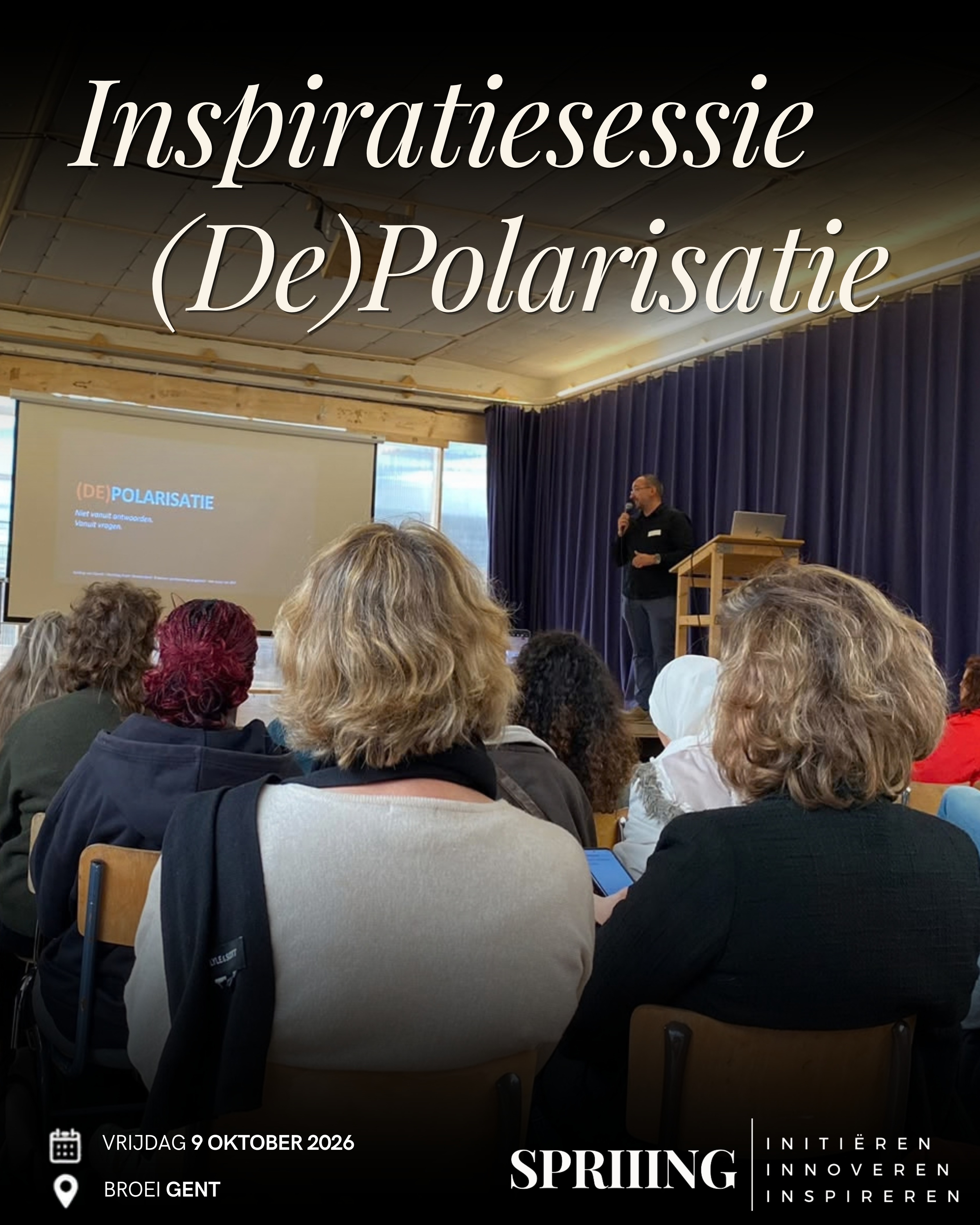
On Polarisation
The conversation naturally turns to polarisation.
Aline is clear: “We are living in a period in which differences are increasingly emphasised — us versus them, target groups being separated, media portraying communities as being in opposition to one another. But we consciously choose to bring people together, especially across those invisible lines where fragmentation is strongest.”
Rebecca adds nuance from her own research. “Social media, but also political policies, can reinforce lines of conflict. At the same time, I see in youth work and migrant platforms that dialogue can act as an antidote. You see people stepping outside their bubbles when genuine exchange becomes possible.”
Both experience safe spaces — where people are given room for their full story, including their doubts and frustrations — as one of the strongest responses to hardening divisions.
“Connection grows from sharing vulnerability,” Aline says. “When people feel safe, they speak openly. That is where hope can emerge, even in difficult times.”
Poverty, Migration and the Need for Cooperation
In this part of the conversation, Aline and Rebecca bring their core values together. They are convinced that poverty and migration have become increasingly interconnected.
By bringing migrant organisations together with workers’ associations, neighbourhood networks and local partners, a powerful and inclusive dynamic can emerge.
“We all benefit from shared struggles,” Rebecca says. “The challenges of poverty and exclusion go far beyond cultural background.”
Aline sees particular value in combining different forms of practice. “We do not talk about migration and poverty as completely separate issues. We learn from one another — how to navigate bureaucracy, how to formulate a request for support, how to build trust. Together, you can achieve much more. That is not only a practical choice, but also a political one.”
Their concrete examples are compelling: collective actions around school enrolment, exchange evenings about local issues, and shared projects in which young people, newcomers and long-standing residents meet one another.
“Working together is our answer to fragmentation,” they say.
Examples from Practice: From Local to National
Aline and Rebecca illustrate their work and research with concrete examples. These stories show how practical initiatives at neighbourhood level can play a decisive role in inclusion and empowerment.
Aline: “From information markets and school enrolment to wellbeing projects: we make everyday life tangibly easier. Networks and proximity make the difference.”

Rebecca: “Policymakers should listen more often to the people working at grassroots level, because that is where the real solutions can often be found.”
Conclusion
The conversation between Aline and Rebecca is an open invitation to think beyond the boundaries of disciplines, backgrounds and sectors. They show that genuine progress emerges from the interaction between practice and policy, listening and sharing, solidarity and hope.
Aline concludes: “Empowerment begins by bringing stories together — not by imposing rules, but by giving people space to take their own initiative.”
Rebecca adds: “Empathy and perspective are the foundations of connection. Without that foundation, nobody can truly grow.”
Their shared closing message is clear:
“Everyone deserves the space to be themselves and to help build society together. The real strength lies with the people who create connection every day, who want to make a difference every day for themselves, for their community and for society as a whole.”

Leave a Reply